Dual-access solar water for village households and wildlife troughs builds climate resilience and reduces human-wildlife conflict in Laikipia North.
One resource, several needs
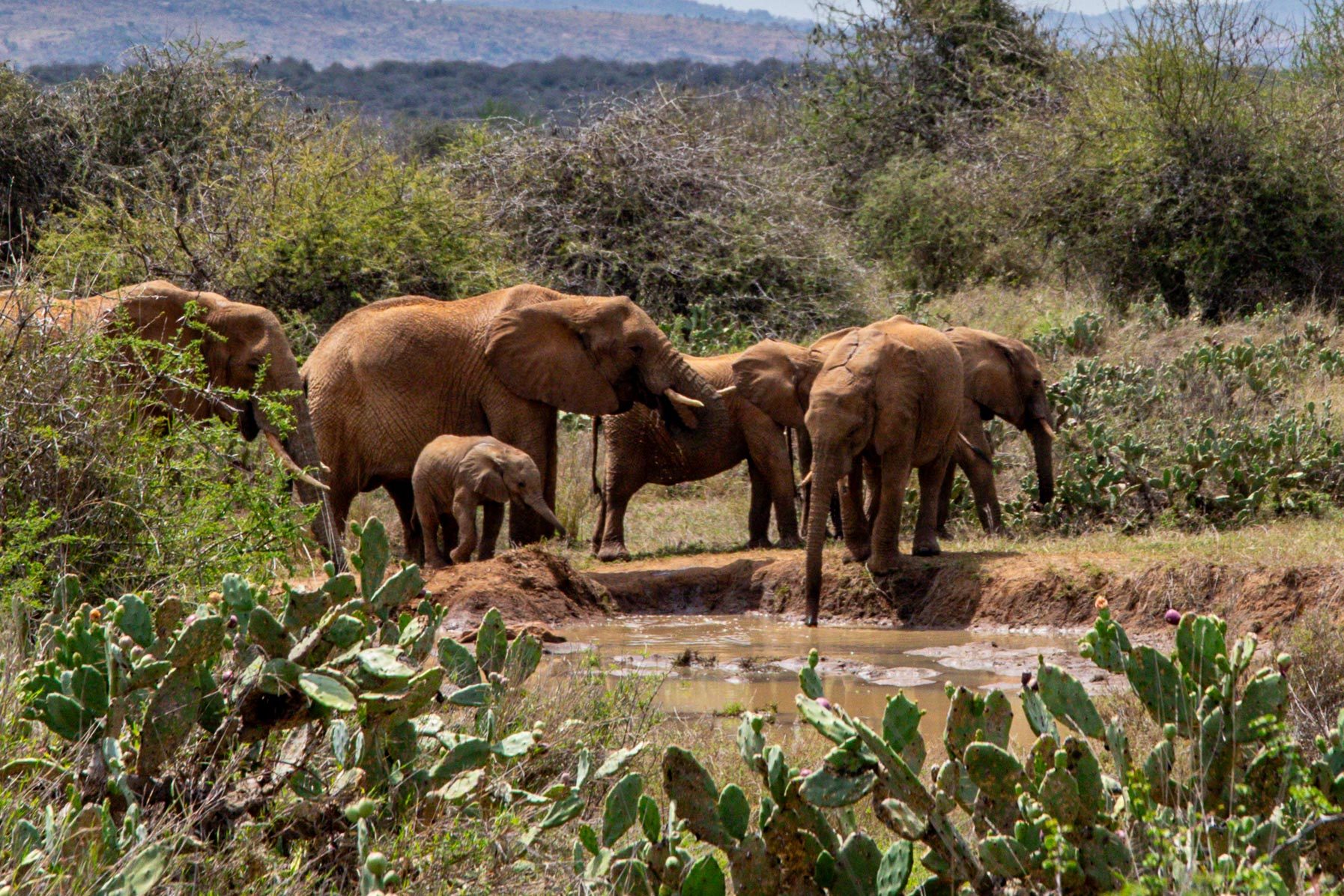
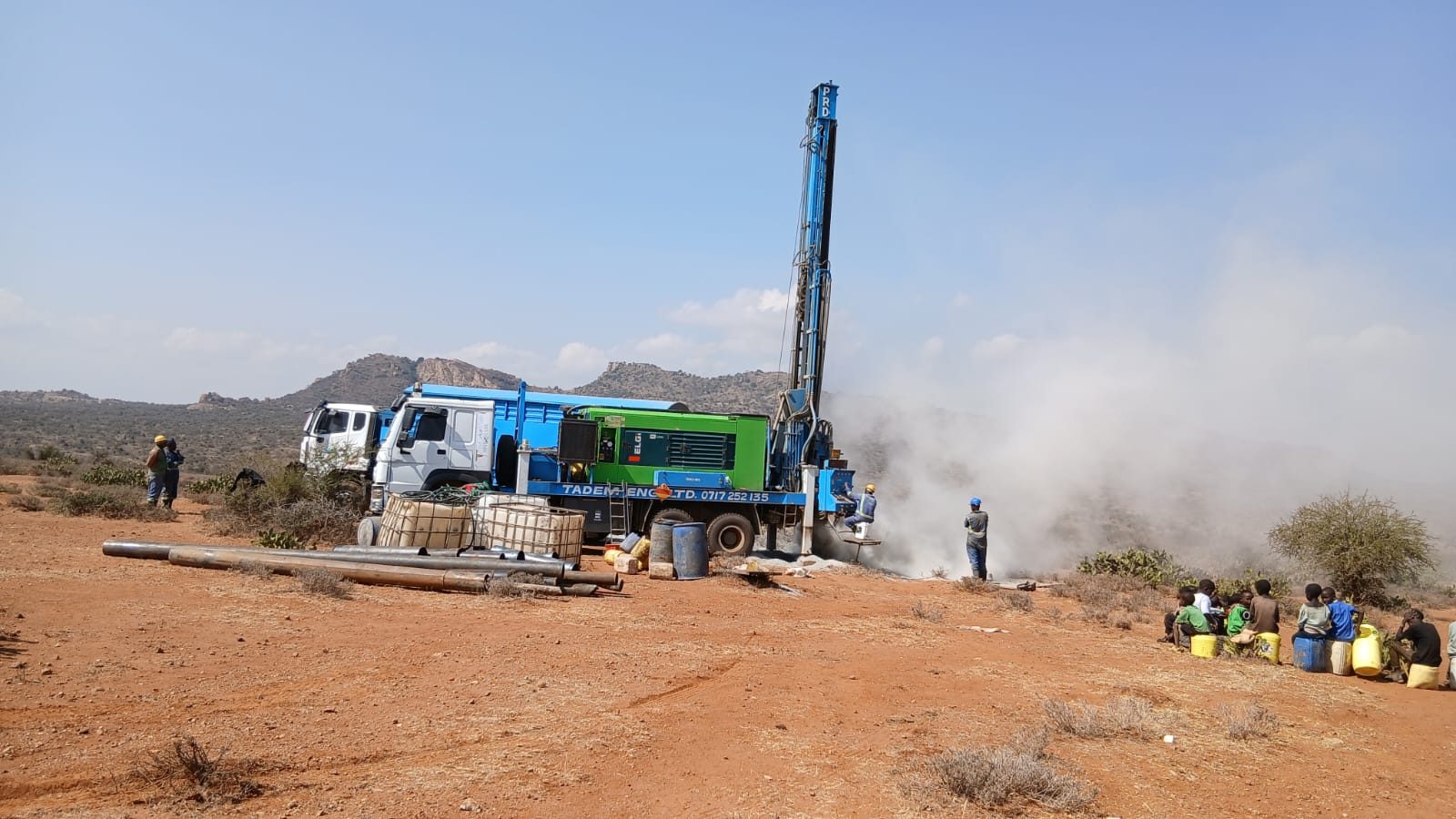
The elephants in Nareto’s photograph gather at water. Another image shows a drilling rig at a community borehole site, a project by the State Department for Wildlife. Put beside one another, the photographs connect a familiar need with the work required to meet it. Water must be found, brought to the surface and made accessible. The people responsible for that infrastructure live in the same landscape as the animals using it.
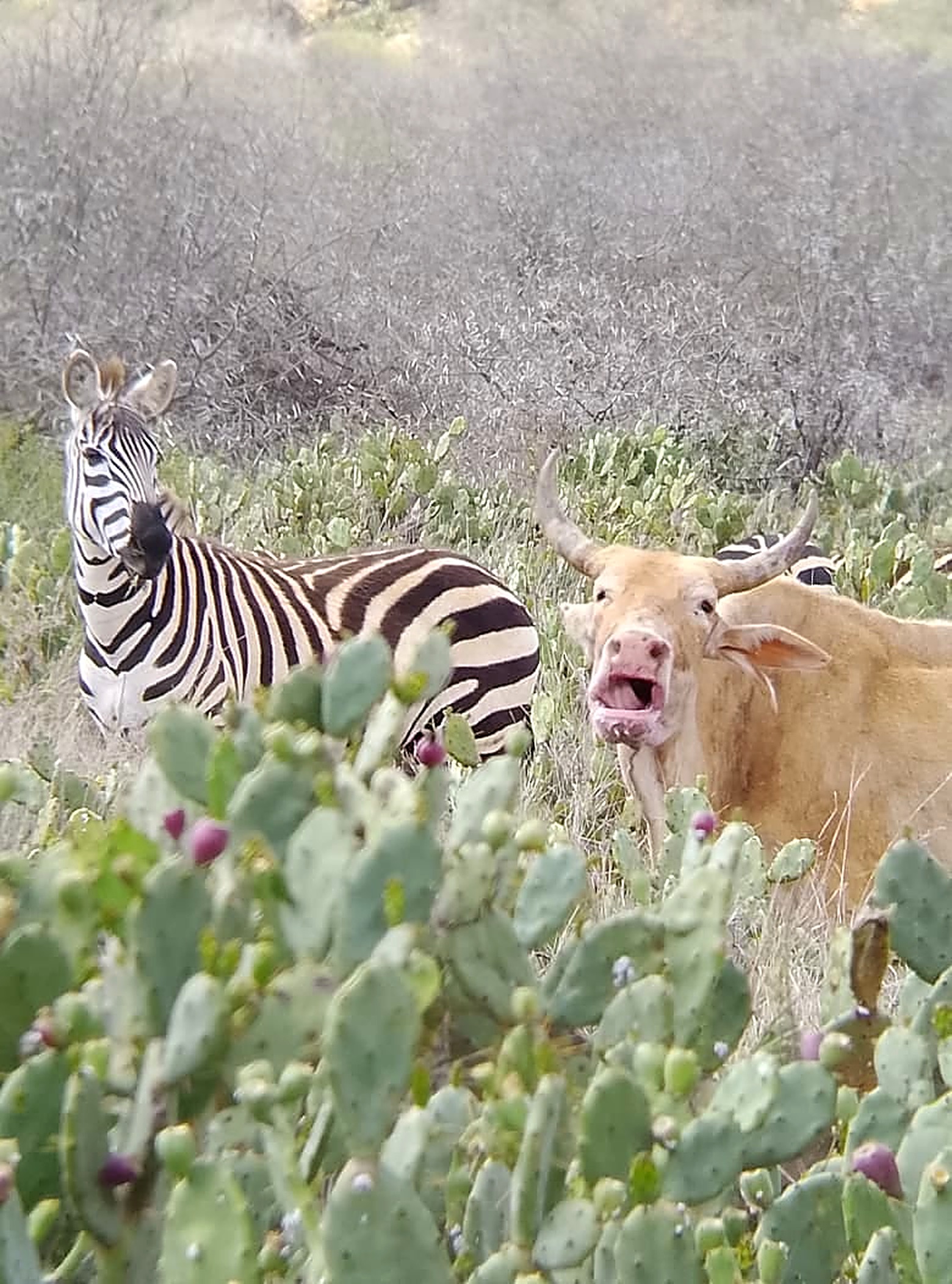
In Laikipia North, a dry season puts pressure on more than the household drinking supply. Livestock need water too. Wildlife moves through the landscape looking for it. When dependable sources become scarce, journeys become longer and different users come closer together. A water shortage can become a livelihood problem and a safety problem at the same time. A conservation response has to recognise both.
For a family, reliable access means being able to plan an ordinary day without every decision bending around collection. For someone tending livestock, it means knowing where animals can drink without an avoidable risk. For wildlife, it means access within a landscape that still allows movement. These needs overlap, but they are not interchangeable. A single water point does not automatically serve them all safely.
Nareto’s solar borehole initiative addresses that problem through a dual-access design: household water and wildlife drinking points arranged separately. The intention is to reduce close encounters around homes while maintaining water for animals. That is a design objective, not a claim that all conflict has ended. Whether a layout works depends on where points are placed, how they are used and how access is managed over time.
A pump is only the beginning
Solar pumping offers an alternative to dependence on fuel deliveries. It can reduce operating costs, but it does not make a water system free to run. Pumps, panels, pipes and storage need maintenance. A breakdown can interrupt several users at once. Planning for those costs is part of making the initiative dependable, not an administrative detail to deal with after the equipment has arrived.
Storage matters because demand and pumping do not always occur at the same moment. Tanks, piping and drinking points must work as a system. Household water also needs appropriate quality checks; water brought up from a borehole should not be described as safe simply because it is underground. Technical assessment and continuing care are necessary before people can rely on it for drinking and daily use.
Separate access points bring their own questions. A wildlife trough should not create a new gathering place immediately beside a homestead. Livestock routes and household collection areas need consideration too. The design has to reflect how the landscape is actually used, rather than how it looks on a drawing. Community knowledge can help identify practical risks that equipment specifications alone will not reveal.
There is also a limit to what any borehole can supply. The suitability and capacity of a source need qualified assessment, and pumping must be considered alongside long-term water availability. Adding more users without understanding the resource can shift scarcity rather than solve it. A careful initiative asks not only how to bring water up, but how to avoid promising more than the source can sustain.
Keeping a shared asset working
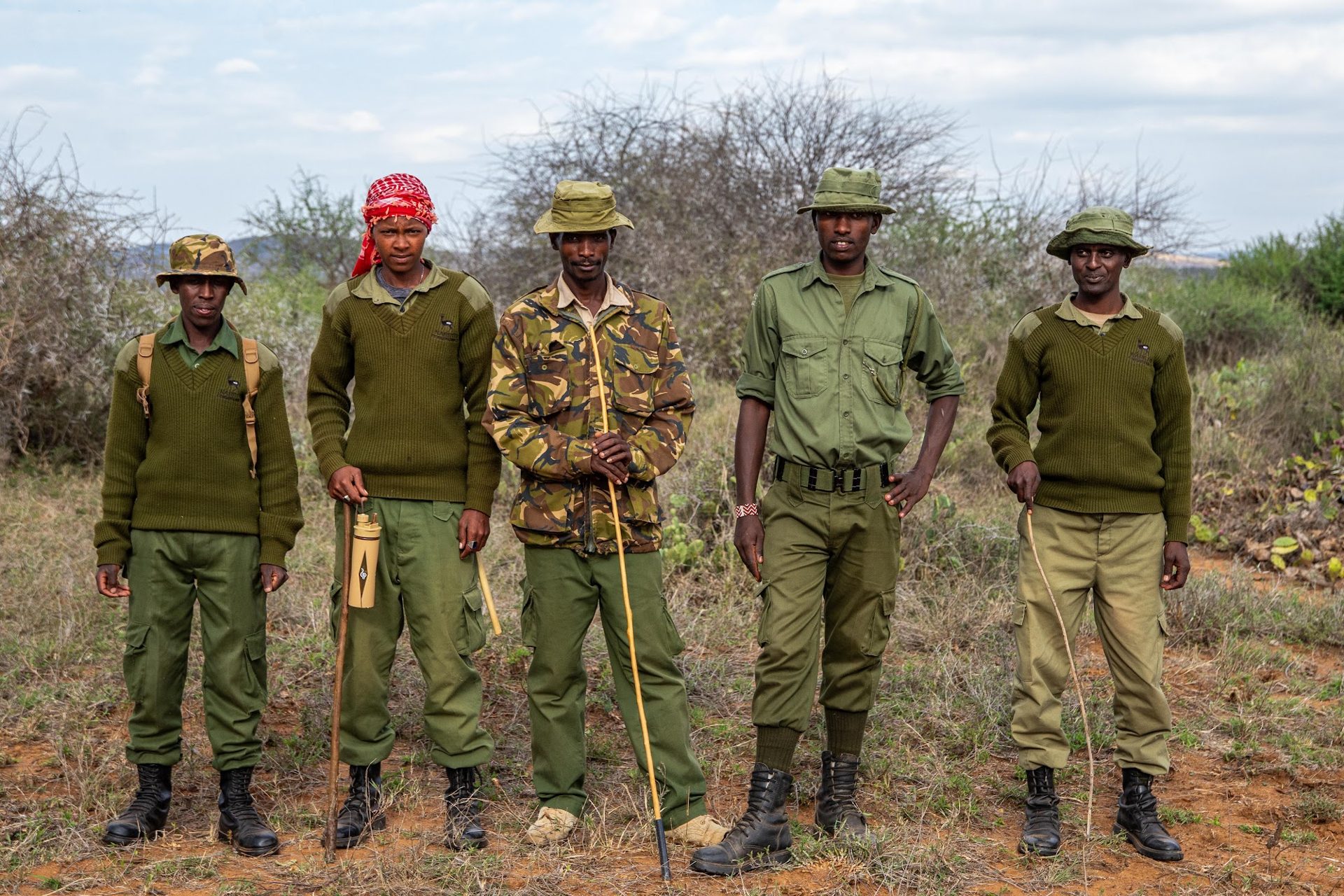
Nareto works with community members on use, maintenance and fair access. That arrangement is where infrastructure becomes a shared responsibility. Who reports a fault? How is a repair organised? How are competing needs discussed when supply is limited? These are practical questions for the people who depend on the system. Leaving them unanswered can turn a useful asset into another source of uncertainty.
The people collecting water and those responsible for livestock need a voice alongside technical partners. Fair access is not achieved by assuming every household has the same time, resources or distance to travel. Clear arrangements should be understandable and open to review. If the system changes daily routines, those affected should be part of deciding how it will work, rather than hearing the rules only after installation.
The conservancy is seeking partners for solar pumping systems, piping to household and wildlife points, and storage tanks. The most useful support connects those purchases with installation, maintenance planning and community management. It also distinguishes intended benefits from measured outcomes. Photographs can show drilling and animals at water; they cannot by themselves tell us how reliable the supply is or how encounters have changed.
The initiative’s promise is straightforward: fewer households facing uncertainty over water, and fewer dangerous points of contact where people and wildlife must compete for it. Delivering that promise takes more than machinery. It takes a source that can sustain demand, equipment that can be repaired and agreements people consider fair. Water security is built through those decisions, and kept alive by the people who make them work.