Environmental Conservation
Restoring the land this community, and its wildlife, depends on.
Explore the storyRestoring land. Building resilience.
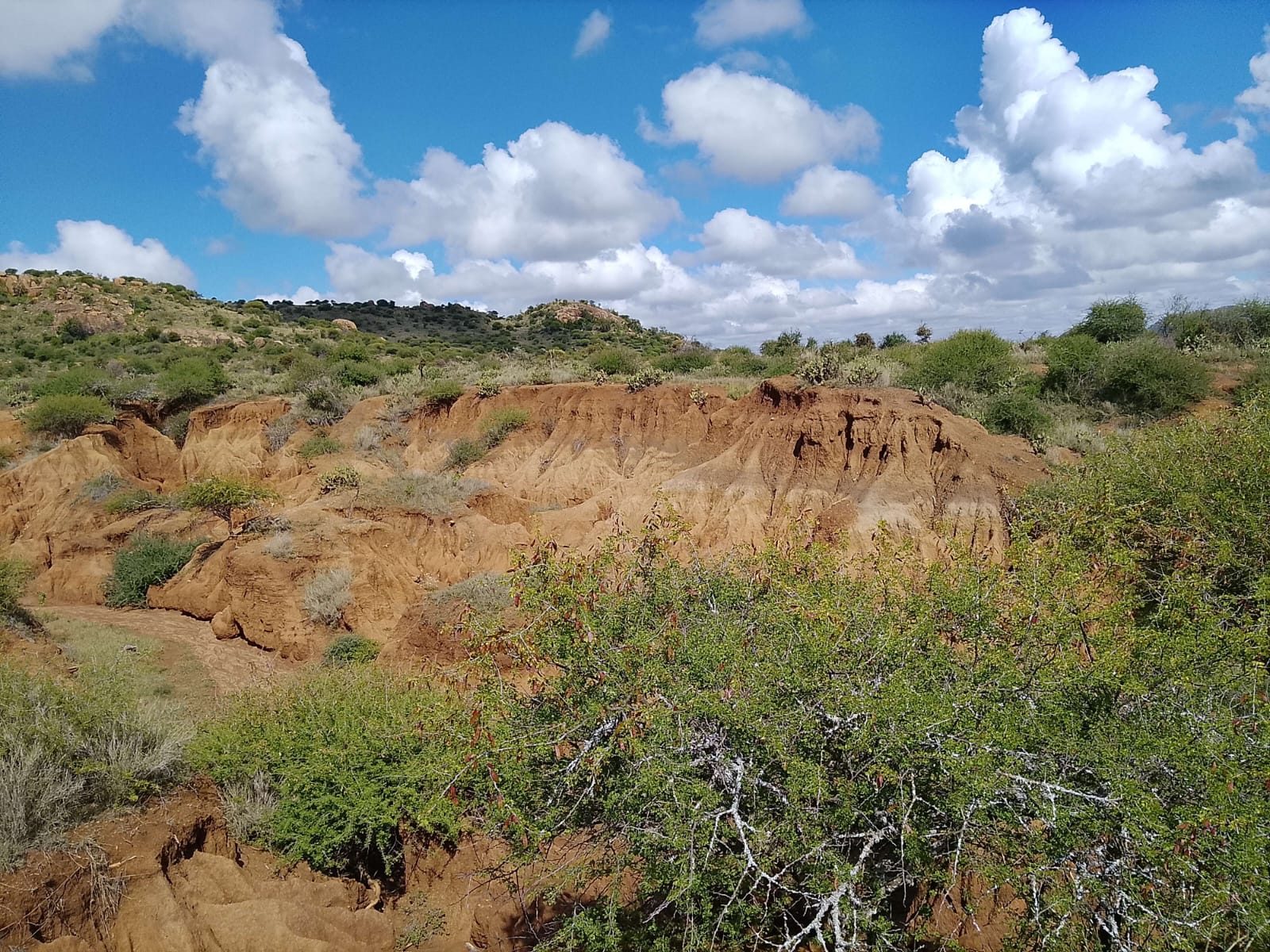
Northern Kenya's land is under real pressure: overgrazing, deforestation, and increasingly erratic climate patterns. These are not distant threats. They affect food security, water availability, and wildlife survival here, now.
Nareto Conservancy is working to reverse that trend, one restored hectare at a time.
Our Environmental Initiatives
Reforestation and Tree Growing
Large-scale tree planting using indigenous species to restore degraded land.
Sustainable Land Management
Training pastoralists in rotational grazing to reduce overgrazing and maintain soil fertility.
Invasive Species Control
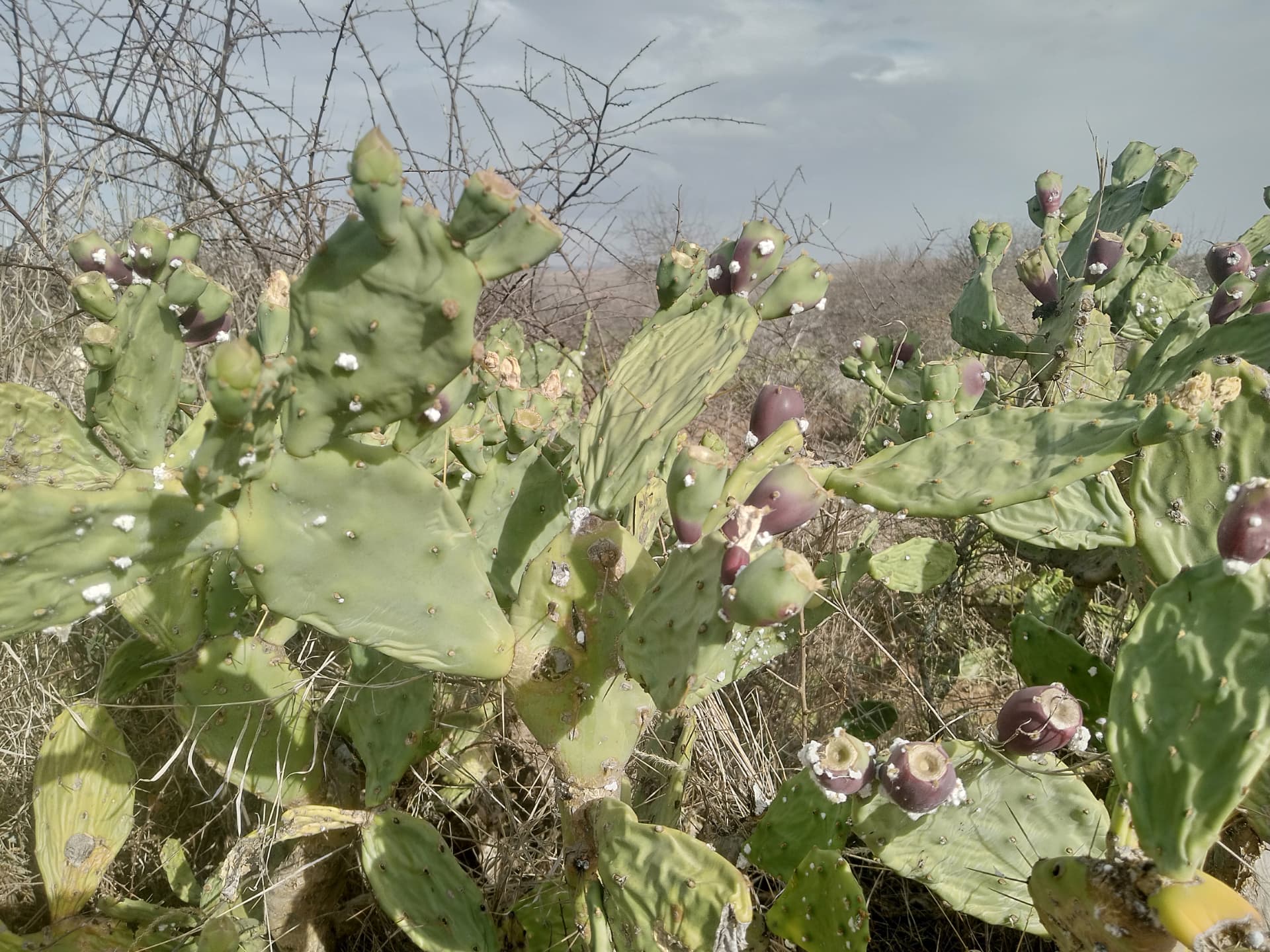
Active management of Opuntia stricta, the invasive prickly pear cactus spreading across Laikipia rangeland. We are piloting a project to convert cleared cactus into livestock feed pellets, turning a rangeland threat into a usable household resource instead of just removing it.
Climate Adaptation
Encouraging renewable energy, including solar for households, to reduce dependence on deforestation.
Clean Energy and Waste Management
Introducing biogas solutions and promoting plastic-free practices across the conservancy.
Why This Matters
Environmental degradation here means real consequences: hunger, conflict, and lost livelihoods. Acting now protects the future of everyone who depends on this land, human and wild alike.
Our Achievements
trees planted across rangelands
Community adoption of clean cooking technologies, reducing charcoal dependency.
Environmental awareness through sports promoting environmental education.
Active control of invasive Opuntia stricta across the conservancy.
Healthy rangeland sustains more than wildlife
Tree growing, grazing practices and invasive species management work at different points in the same landscape. Indigenous trees support restoration; rotational grazing addresses pressure on pasture; control of Opuntia stricta responds to a specific rangeland threat.
Nareto’s cactus-to-feed work remains a pilot idea. Its purpose is to explore a useful resource from cleared cactus alongside restoration, rather than treat removal alone as the end of the story.
Discuss this programmeSupport land restoration
Every tree counts. Partner with us to restore degraded land and build climate resilience.