Beekeeping for Livelihoods
Honey that sustains a household, and land it does not damage to earn.
Explore the storySmall hives. Sustainable livelihoods.
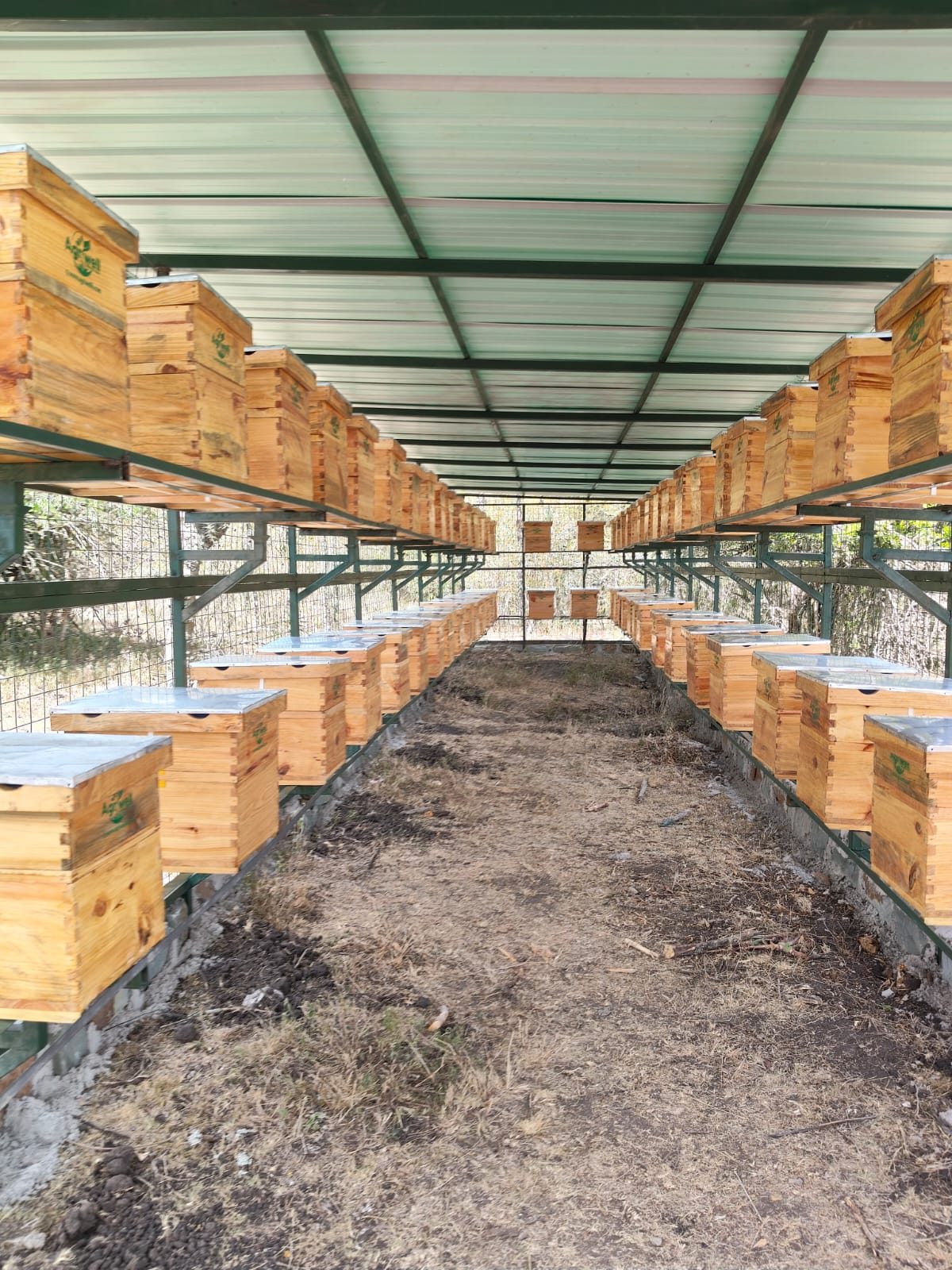
Beekeeping is one of the most effective livelihood tools we run in Northern Kenya. It generates real income without damaging the land, and it supports biodiversity through pollination at the same time.
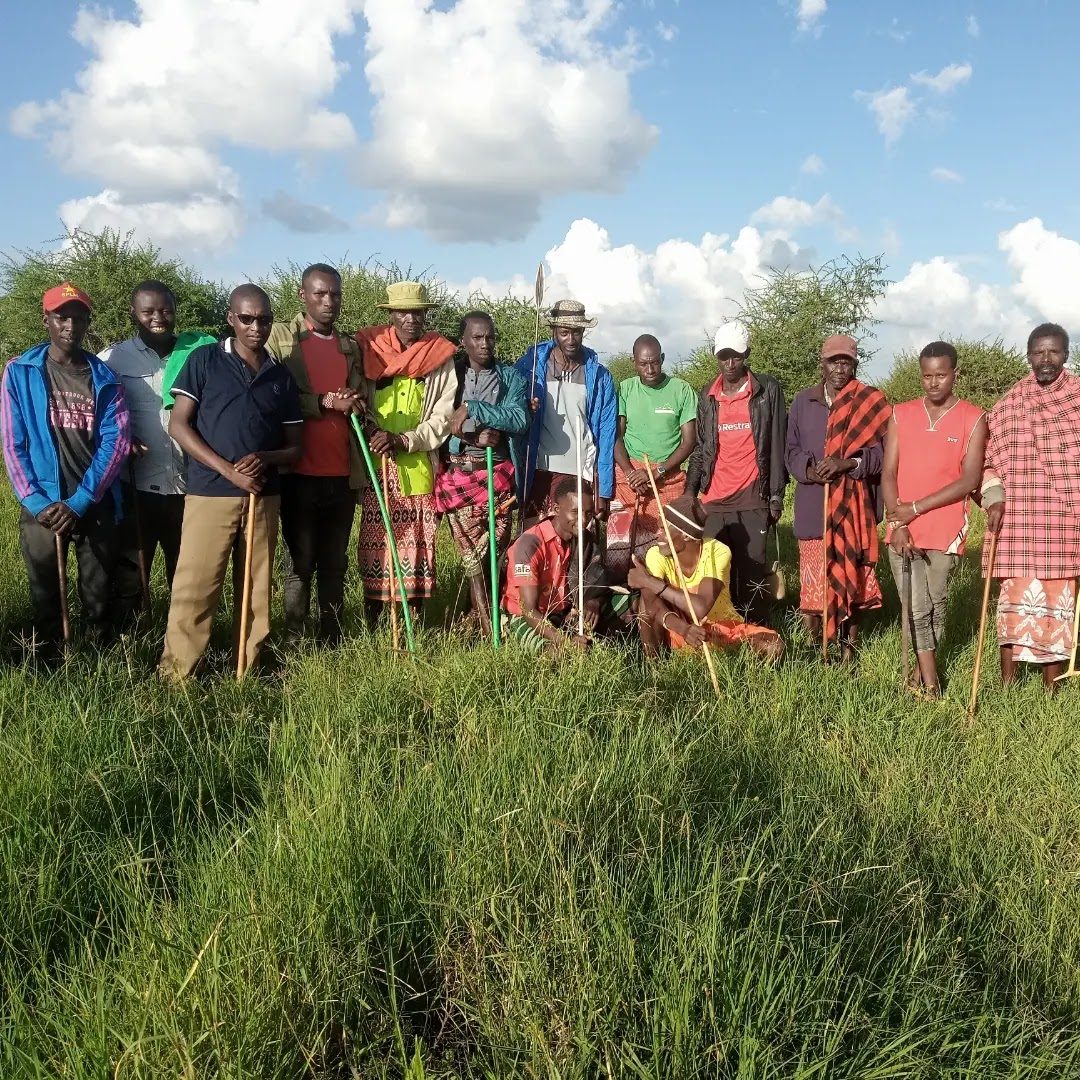
Our beekeeping programme runs through the Nareto Women Welfare Groups, training local women, alongside youth, in modern beekeeping, honey production, and marketing.
Why Beekeeping
Income Generation
Honey sales create a stable income stream for households in this arid landscape.
Environmental Benefit
Bees pollinate crops and wild plants, strengthening biodiversity across the conservancy.
Low Resource Requirement
Beekeeping needs very little land, ideal for this environment.
Self-Sustaining
Once established, a well-run beekeeping operation sustains itself as an income source.
Our Impact
community members trained in modern beekeeping
Organic honey production marketed under community cooperatives.
Increased household resilience against climate shocks.
A livelihood connected to healthy land
A productive beekeeping enterprise brings hive management, harvesting and marketing together. Nareto’s training through the Nareto Women Welfare Groups places these skills within a wider approach to community livelihoods.
Bees also pollinate wild plants and crops. The connection between income and biodiversity is why beekeeping belongs within the conservancy’s work, rather than being separate from it.
Discuss this programmeSponsor a beekeeper
Support our beekeeping programs and help a household build a stable income from honey.