Local scouts patrol migration corridors, report conflict by GPS and protect wildlife alongside the livestock their neighbours depend on.
The people behind the patrol
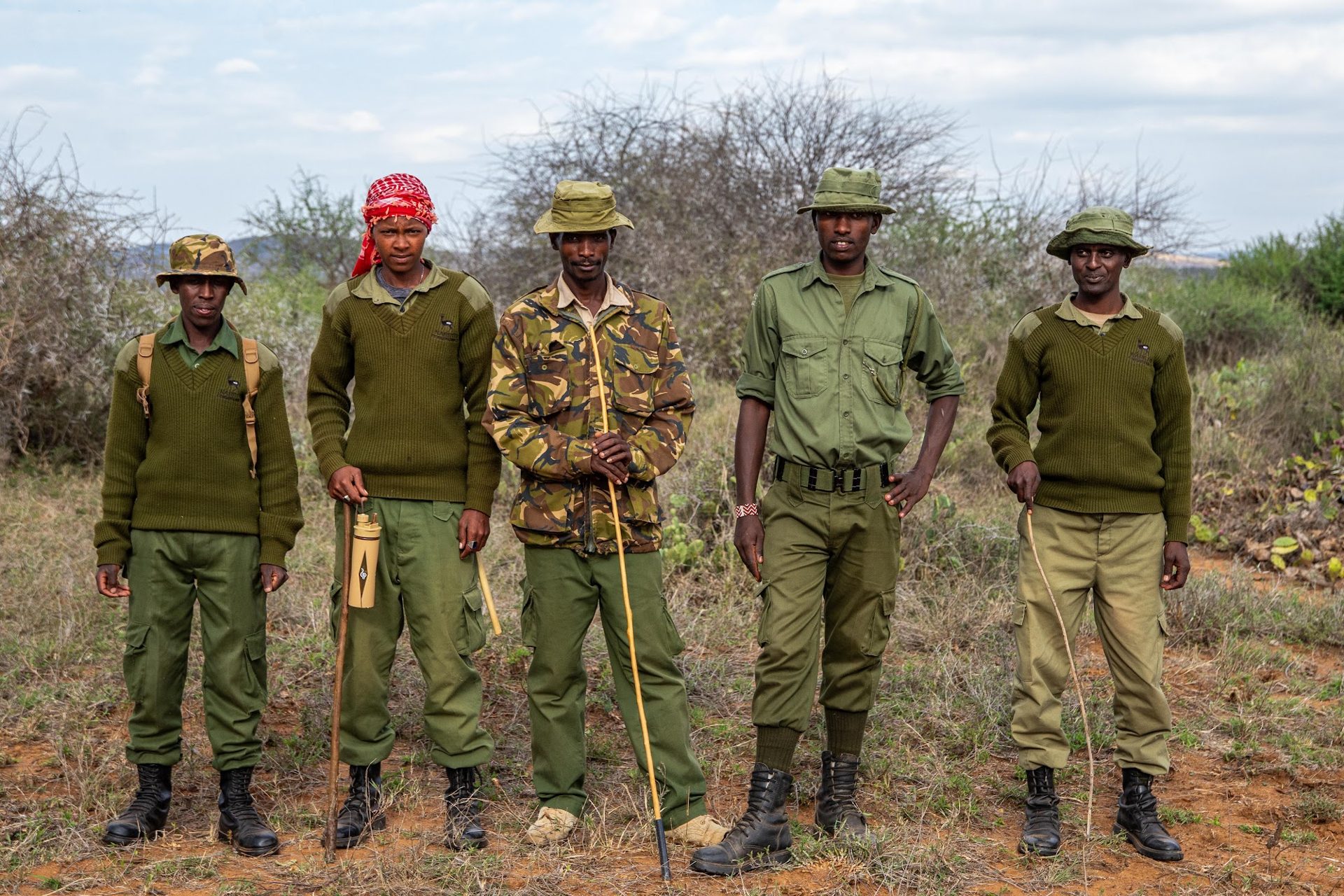
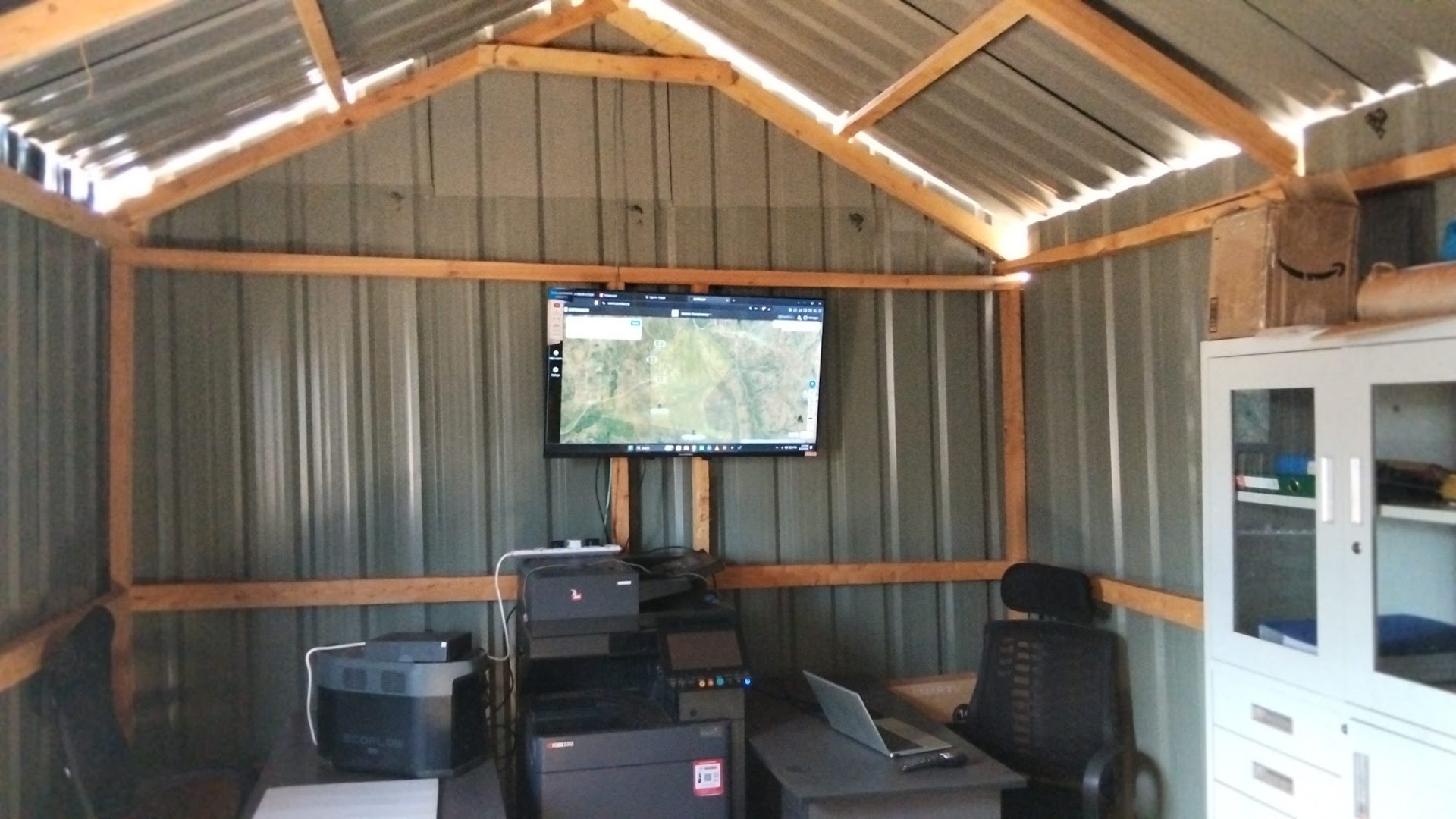
Nareto’s patrol photograph shows community scouts on the land they help protect. The operations-room image shows another part of the same work: information gathered outside must reach people who can coordinate a response. Between those two pictures lies the everyday responsibility of a ranger. Watching wildlife is only part of it. The job also means understanding where animals, livestock and households may come into difficult contact.
The scouts are drawn from the community they serve. They know local paths, families and the landscape, and that knowledge helps make them useful first responders. Being local does not remove danger or guarantee agreement. It gives the work a starting point in relationships. When someone reports an elephant near a home or a concern along a grazing route, they are speaking about a place the scout also understands.
That shared knowledge matters because conservation incidents do not arrive as tidy categories. A wildlife sighting may be routine in one location and worrying in another. Livestock and people may be moving nearby. Someone may need information before they can safely continue their day. Responding well requires context: where the animal is, who is affected and what action can reduce risk without making the situation worse.
Trust also has to be maintained. Community recruitment is not a shortcut around listening, clear communication or fair treatment. Families living with wildlife need their concerns taken seriously, including concerns that do not end in a dramatic incident. A scout’s value is partly in helping information travel before harm occurs. That quieter role deserves attention alongside the more visible image of a patrol moving across open ground.
Following movement, recording the detail
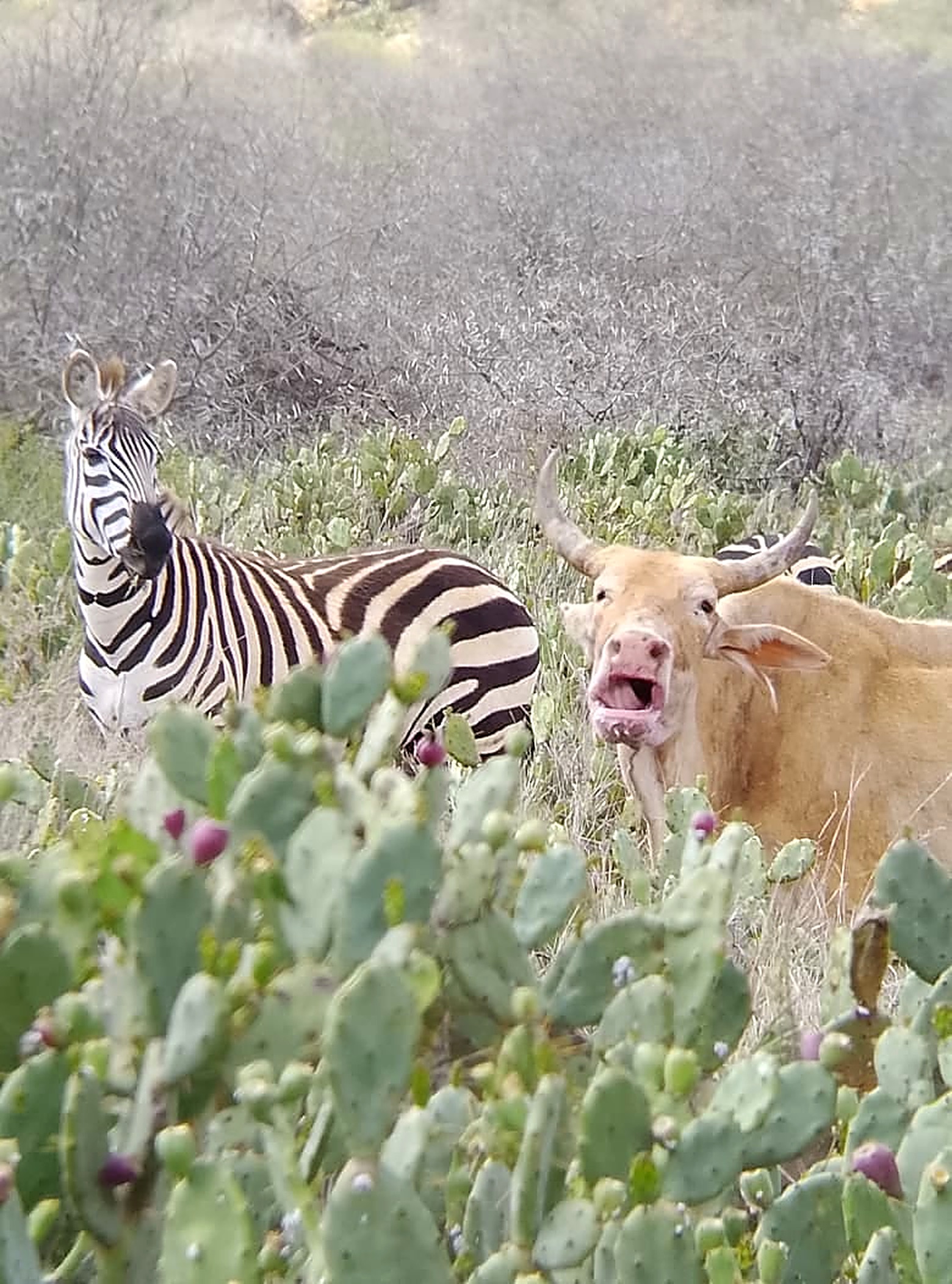
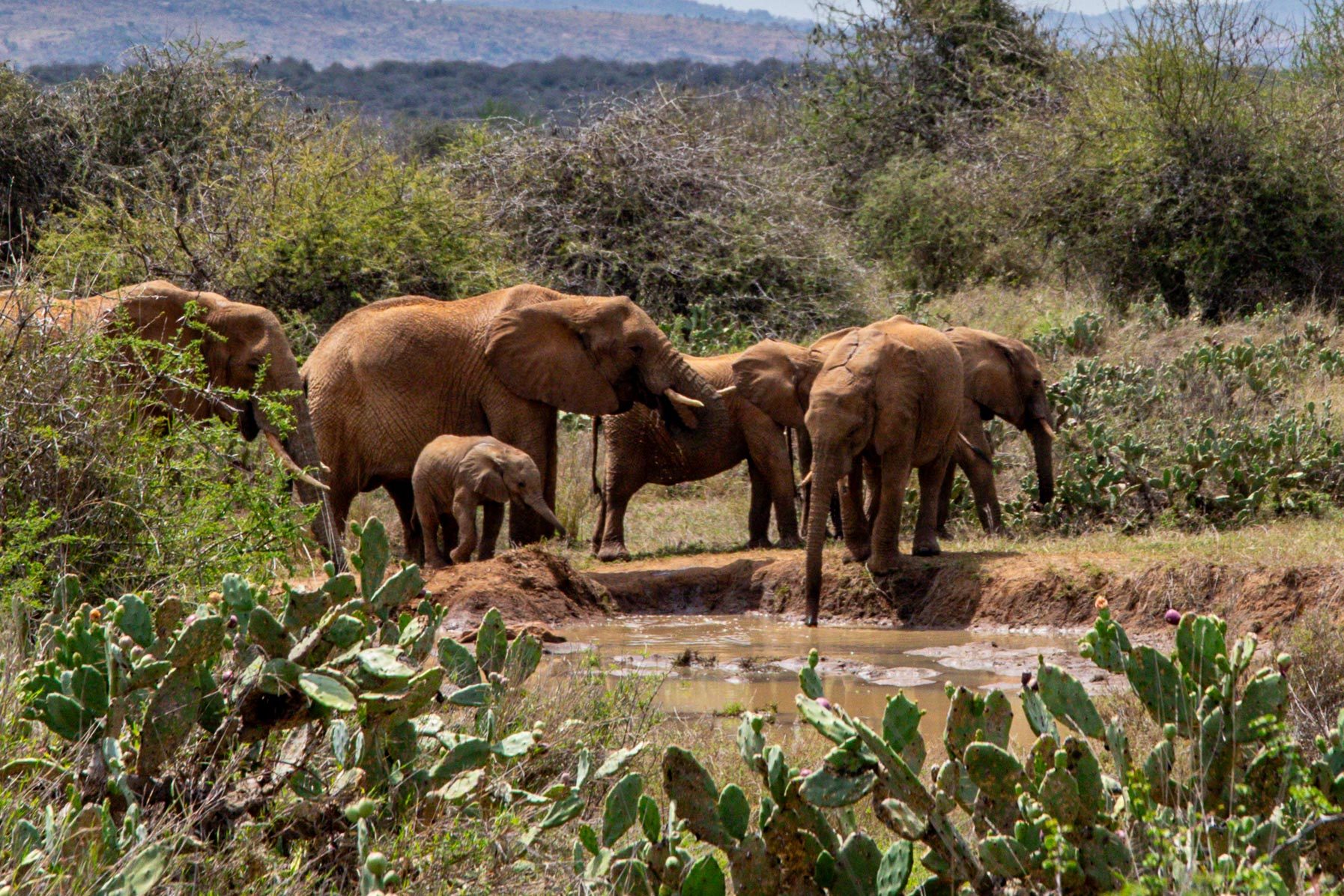
Patrols cover routes elephants use across the landscape. Scouts monitor movement, watch for snares and illegal activity, and help herders avoid risky encounters. A corridor matters because animals need to move between places; it is not protected simply by observing one section of it. The work connects wildlife movement with what is happening nearby, including the presence of livestock and the routes people need to use.
Local knowledge and digital reporting serve different purposes. A scout may understand why a particular location is sensitive, while a GPS record makes the location easier to communicate and revisit. Nareto records sightings and conflict incidents and reports them to the operations room. The technology supports judgement; it cannot replace the person assessing what is happening or deciding what information needs to be passed on.
A useful report needs more than a point on a screen. Time, location and a clear description help distinguish an ordinary sighting from a situation needing attention. Incomplete information can make coordination harder. Devices also need power and care. The conservancy’s request for charging equipment recognises something easy to overlook: collecting digital information depends on ordinary equipment remaining usable when people are working away from the office.
The operations room brings reports together so patrols and incident responses can be coordinated. Over time, records can help show where encounters recur and where planning deserves attention. Those records are a basis for asking questions, not proof that every pattern has been explained. Weather, water availability and changes in land use may affect what is seen. Reading the information well needs people who know the ground.
Equipping the work that continues
The phrase ‘technology-enabled’ can draw attention towards devices and away from the people carrying them. A functioning radio is useful because someone knows what to report and someone else can respond. Field gear matters because patrol work places demands on clothing and equipment. First-aid supplies matter because the people protecting the landscape need protection too. These are working needs, not accessories to a conservation image.
Nareto’s support requests include uniforms, field gear, solar charging, GPS-enabled radios and first-aid kits. Partners can help by matching equipment to actual use and considering repair or replacement as well as the initial purchase. A donated device that cannot be maintained may create less value than dependable equipment chosen with the team. Practical support begins with asking scouts what helps them do their work safely.
Community members remain part of the response, not merely the source of reports. Herders and households carry knowledge about their own routines and the risks they face. Information should move both ways: towards patrol coordination and back towards people who need it. The goal is not to make every encounter disappear, but to reduce avoidable danger and help a shared landscape remain workable for its different users.
The two photographs return us to that relationship between fieldwork and coordination. Neither is sufficient alone. A patrol needs support; an operations room needs reliable information from people who can interpret the land. The strongest conservation work keeps both connected to the community. Its worth is found in safer decisions and sustained trust, not only in the number of sightings recorded or the distance a team has walked.