The fire has burned down to coals by the time the elder starts speaking. Around him sit young men, a few girls, two visiting teachers and a group of women whose beadwork lies half-finished in their laps. Inside the circle of the Nareto Cultural Manyatta, the night is cold and very still. A goat bleats somewhere behind the houses.
“When I was a boy,” the elder begins, “there was a drought so long that the cows forgot how to walk to the river.” The young men laugh, then go quiet. They know a lesson is coming.
A manyatta that teaches, not performs
The Nareto Cultural Manyatta is a cluster of traditional houses built by women from mud, sticks and cow dung, surrounded by a thorn fence. Visitors do come here. They see the houses, hear songs, watch dances, and buy beadwork. But it was not built as a stage set.
“We are not acting,” says one of the women who manages the manyatta. “This is how we teach our children who they are. If visitors come and learn too, that is good. But the children are the first audience.”
On ordinary days the manyatta is a gathering place. Women meet to bead and talk. Elders hold discussions about grazing and disputes. Schoolchildren come to hear stories and learn songs they might otherwise only hear at ceremonies. The space keeps knowledge in daily use.
The law of the grass
Much of what is taught here concerns land and livestock. Long before formal conservancies, Maasai communities managed grazing through customary rules, decided by elders and respected by herders. Certain areas were set aside for the dry season. Others were used in the rains. Movement was planned around water, grass and the health of the herd.
Elders speak of enkiama, the agreements and rules by which the community decides together how land is used and how disputes are settled. These are not written laws, but they carry weight. A herder who breaks them answers to the elders, and to his own family’s reputation.
“The young ones think conservation is something new, something from outside,” the elder says. “But we have always closed the grass to let it rest. We only did not call it conservation.”
That knowledge has direct value now. When the conservancy asks the community to rest grazing blocks for restoration, the elders explain it in terms of these older practices. The idea feels familiar. It belongs to the people.
Songs, stories and the animals around us
Drought survival is a common theme around the fire. Stories describe which trees cattle can browse when grass is gone, how to find water under dry riverbeds, which animals to watch for signs of coming rain, and how families shared food and livestock to get through the worst years.
Respect for wild animals runs through these stories. The elephant is spoken of as a powerful neighbour, to be given space, not provoked. Certain birds are messengers. Some animals are linked to clans and family histories. Children learn early which animals are dangerous, and also why they should not be killed without reason.
“My grandmother told me, if you see an elephant, do not run and do not shout,” says one young woman. “Move away slowly. Show it you are not a threat. I tell the same thing to my small sister.”
Songs carry these lessons too. At ceremonies and gatherings, women and men sing about rain, cattle, courage and the land. The words change with time, but the meaning holds. A song about the return of rain teaches the value of water as clearly as any lesson in a classroom.
Beads that carry meaning, and income
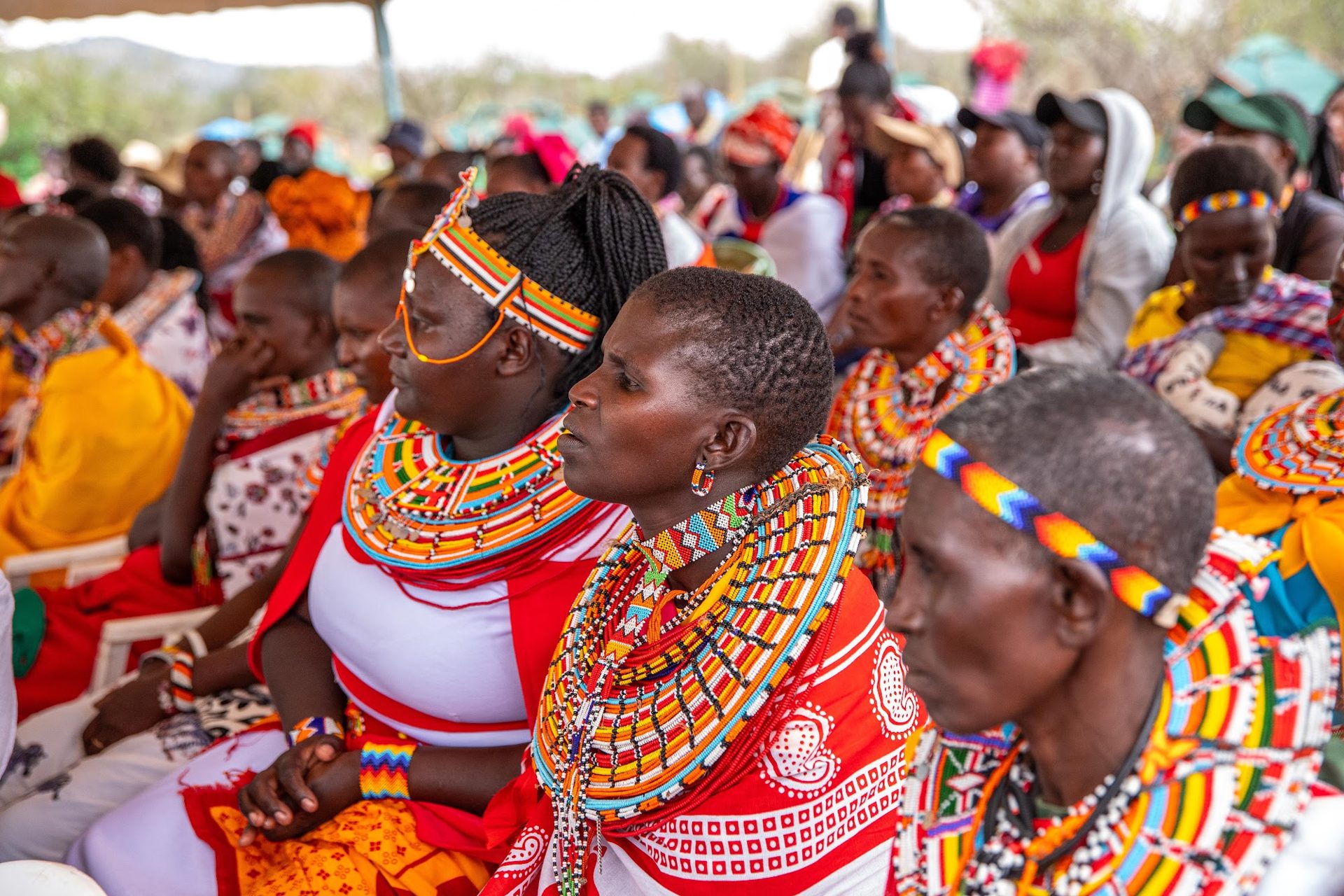
As the elder talks, the women keep beading. Their fingers move quickly, threading glass beads into patterns that carry meaning: colour for age, for status, for occasion. Beadwork is identity, and it is also work.
Through beadwork cooperatives, women sell necklaces, bracelets, belts and other pieces to visitors and buyers. The income supports households and gives women a say in how money is used. It also keeps the craft alive. Girls learn by sitting beside their mothers and aunts, first threading simple strings, then whole collars.
“When a visitor buys my necklace, they take a piece of our story with them,” one beader says. “And my child goes to school with that money. So the story feeds us.”
Living heritage, living stewardship
Late into the night the story ends. The drought, the elder says, finally broke. The herds recovered because the families had saved the right grass for the right time, and because they had helped each other. The young men nod. The point is clear.
At Nareto, culture is not a museum exhibit. It is the way people still decide how to share land, how to survive hard years and how to live beside elephants and lions. Keep that knowledge alive, and the conservancy keeps one of its strongest tools.