Wildlife Conservation
Protecting the species that make this landscape what it is.
Explore the storyA wild landscape with a future
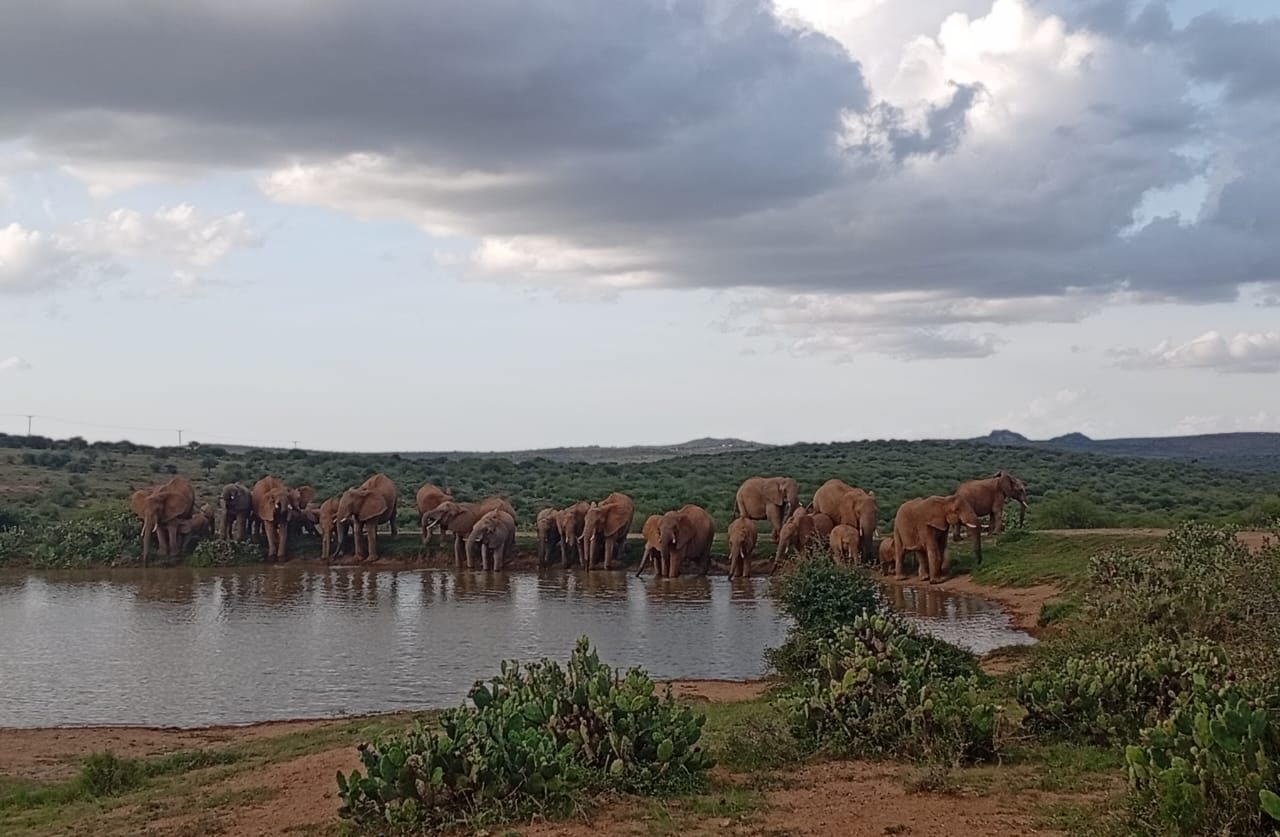
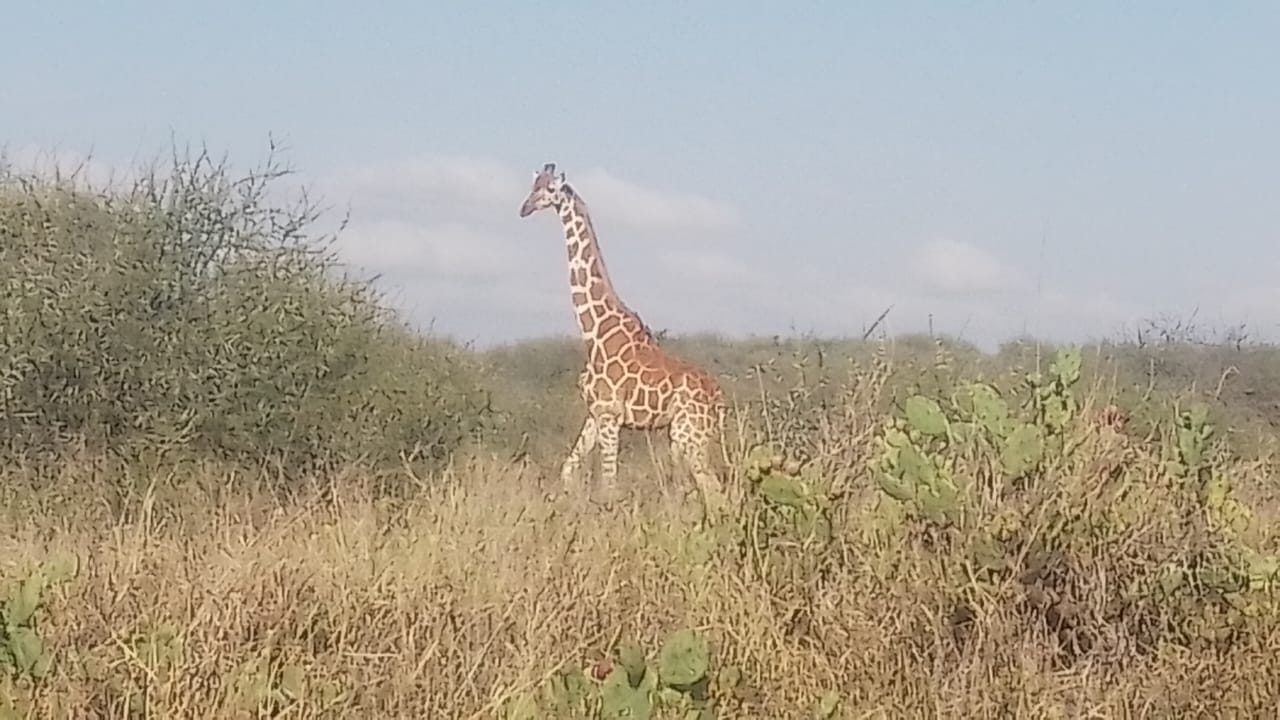
Northern Kenya is home to some of Africa's most iconic wildlife: elephants moving across open savannah, giraffe browsing acacia, and rarer species under real pressure from habitat loss, poaching, and a shifting climate.
At Nareto Conservancy, we do not see wildlife and people as competing priorities. Our community scouts patrol this land because it is theirs to protect, and because a landscape that still holds its wildlife is a landscape that still has a future.
Our Approach to Wildlife Protection
Technology-Driven Surveillance
Tracking devices, mobile applications, and digital reporting tools help us monitor wildlife movement and respond faster to threats.
Human-Wildlife Coexistence Programs
Predator-proof bomas and community awareness campaigns, delivered through partnership, reduce conflict between livestock and predators.
Community-Led Security
Local community scouts are trained and employed as wildlife guardians, patrolling the conservancy, deterring poaching, and responding to threats as they happen.
Education and Awareness
Awareness through youth programs build the next generation's understanding of why this work matters.
Why Wildlife Matters
Wildlife here is more than a natural asset. It is a source of tourism income, ecosystem balance, and cultural identity. Losing these species means losing all three at once.
Our Impact
community members educated on wildlife conservation
Gradual return of wildlife to previously degraded areas.
Coexistence is a shared responsibility
Community scouts, wildlife monitoring and practical conflict reduction are connected parts of the same work. Protecting habitat keeps attention on the resources that wildlife and livestock need, while education brings community members into the conversation.
For Nareto, the question is not whether people or wildlife come first. It is how to protect a landscape in which both have a future, with community members taking part in the decisions that affect their land.
Discuss this programmeSupport wildlife protection
Your support trains rangers, funds operations and surveillance equipment, and protects endangered species.